Queen Varaga’s survival and concealed identity
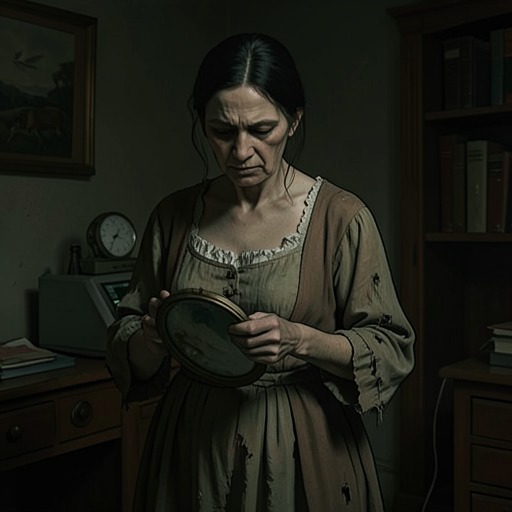
The Secret of ChimneysQueen Varaga’s survival and concealed identity turns a reported royal death into one of the central reversals at Chimneys: the woman known there as Mademoiselle Brun was the queen, presumed killed in the revolution but still alive years later. Her disguise enabled her to remain hidden, yet an unexpected encounter with Prince Michael exposed her and precipitated the shooting that brought her secret into the open.
Identity and Presumed Death
During the final recognition scene, Anthony tells Baron Lolopretjzyl to look past the woman’s makeup and remember that she had once been an actress. The Baron recognizes her only after looking again, reacting with disbelief. He recalls that she and the king had been thought killed on the palace steps and that her body had been recovered. The apparent confirmation of her death had therefore concealed the possibility that the woman identified as her body was not, in fact, the queen.
Anthony explains that Queen Varaga had escaped and, he believes, gone to America. He describes her as having spent years lying low in fear of the Comrades of the Red Hand, who had promoted the revolution and remained hostile to her. Her former acting career supplies a concrete basis for the disguise that later allowed her to live as Mademoiselle Brun; the account does not explain exactly how she escaped, how long she stayed in America, or how she established that identity.
Concealment at Chimneys
As Mademoiselle Brun, Queen Varaga could remain close to the royal guests at Chimneys without ordinarily meeting Prince Michael. Anthony points out the separation between their positions: royal guests did not normally encounter governesses. When the Baron visited, she avoided contact by retiring with a convenient migraine. The supposed illness was thus not incidental to her concealment; it offered a socially plausible way to stay out of a potentially dangerous encounter.
The arrangement depended on distance and discretion rather than on a disguise that could withstand recognition by someone who knew her. The Baron’s reaction confirms how thoroughly her former identity had been obscured, while Anthony’s explanation shows the weakness in the strategy: an accidental face-to-face meeting could undo the protection that ordinary household routines had provided.
Recognition and the Shooting
The decisive encounter came when Queen Varaga was searching for the diamond. She unexpectedly met Prince Michael face to face, and he recognized her. Anthony presents the recognition as the immediate danger: exposure and disgrace threatened her, and she shot him. The shooting therefore links the hidden identity directly to the murder investigation, rather than leaving the queen’s survival as a separate political mystery.
Anthony also identifies her actions after the shooting. He says she placed the revolver in Herman Isaacstein’s suitcase to confuse the trial, then returned the letters. These acts extended the consequences of the concealed identity beyond the encounter itself: the weapon placement redirected suspicion, while the returned letters became part of the case’s trail of evidence. The revelation identifies Queen Varaga as the person behind both the shooting and the attempt to distort the investigation.
Revelation and Aftermath
After the others have left, Superintendent Battle privately asks whether the dead woman was the late Queen Varaga. Anthony confirms that she was. The exchange makes clear that the recognition has an official consequence, but not a public one: Anthony hopes the truth will be hushed up because it concerns a family scandal, and Battle answers that it will not get about, even though many people will know.
The revelation thus resolves the apparent contradiction between the queen’s reported death and Mademoiselle Brun’s presence at Chimneys, while leaving the truth subject to deliberate containment. Queen Varaga’s disguise had protected her from recognition for years, but it could not survive the return of someone who knew her. Her story is built around that narrow gap between being believed dead and being recognized alive—and around the political and criminal consequences that follow when the gap closes.